King Charles confirms Harry and Meghan remain non-working royals
A formal letter from the King's office clarifies that Prince Harry and Meghan Markle will not resume official duties or use royal titles despite returning to Britain.
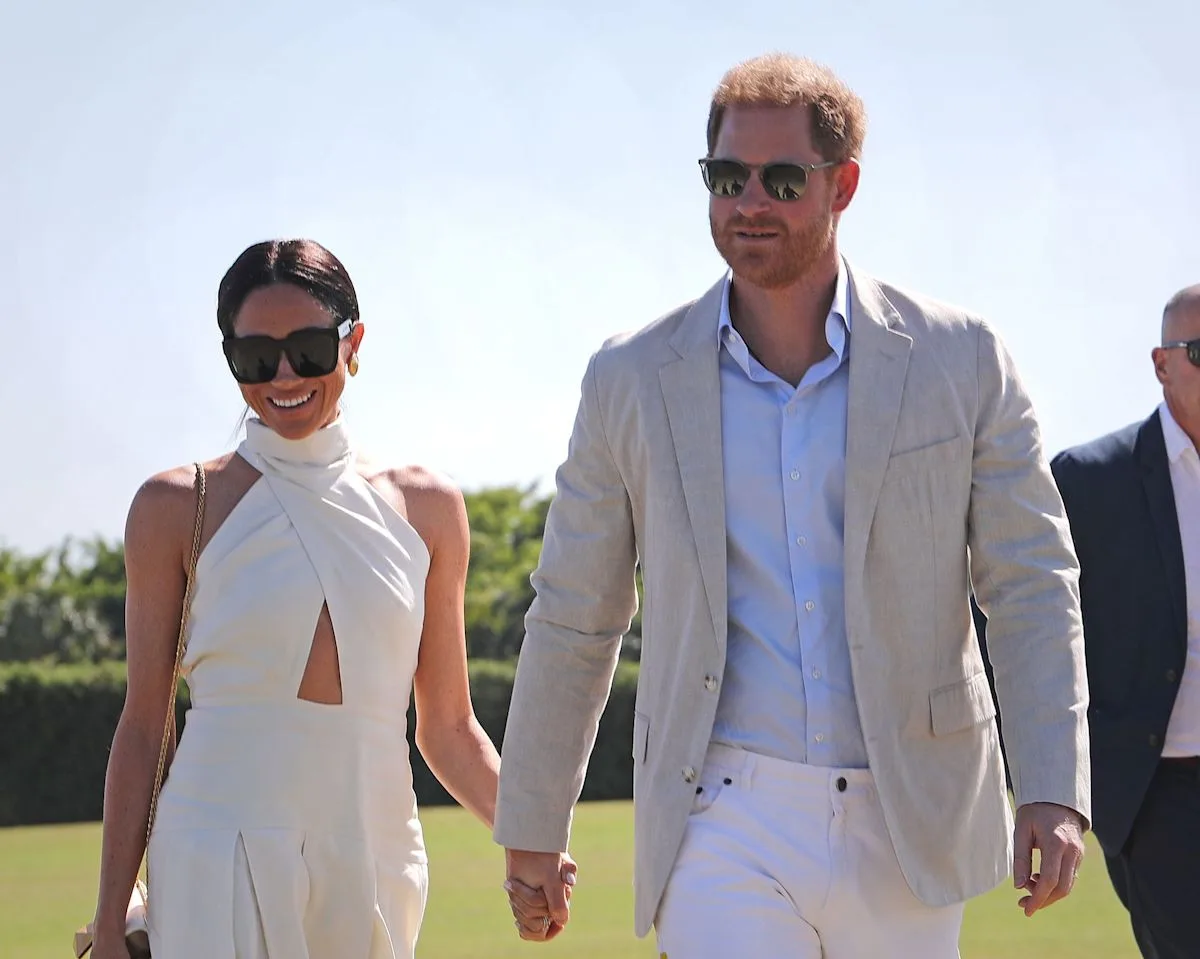
King Charles III has reaffirmed Prince Harry and Meghan Markle’s status as non-working royals, confirming they will not engage in official royal duties despite their recent return to the UK. A formal letter from the King’s office, sent to government departments, the military, and regional representatives, clarifies the couple’s “private citizen” status under the 2020 Sandringham Agreement. Harry and Meghan retain no royal titles or official privileges, and their charitable work remains a private endeavor, separate from the Royal Family’s operations. The letter aims to resolve confusion following their surprise return to Britain, with no indication of a shift in the monarchy’s stance on their role.
King’s Letter Reaffirms Harry and Meghan’s Non-Working Royal Status
King Charles III has formally confirmed that Prince Harry and Meghan Markle remain non-working members of the Royal Family, despite their recent return to the UK. A letter issued on behalf of the monarch by the Lord Chamberlain, a senior Palace official, underscores that the couple will not undertake official engagements or use their royal titles, reinforcing the terms of the 2020 Sandringham Agreement. The document, circulated to government departments, the military, and regional Crown representatives, clarifies that Harry and Meghan are to be treated as private citizens with “commercial and charitable interests,” not as active members of the monarchy.
The letter states: “It is well known that in January 2020 the Duke and Duchess stepped down from undertaking representative duties on behalf of the Sovereign, and are no longer working members of the Royal Family.” It further notes that their charitable efforts are “a personal matter for them both and undertaken in their private capacity.” The communication was prompted by widespread inquiries following the couple’s August 2026 return to Britain, which had reignited debates about their role within the Royal Family.
2020 Agreement Remains Unchanged Despite Return
The Sandringham Agreement, finalized in January 2020, established the terms of Harry and Meghan’s departure from senior royal duties. The couple cited a desire for financial independence and greater privacy, leading to their relocation to California. The agreement explicitly barred them from “half-in, half-out” status, meaning they could not maintain royal privileges while pursuing personal ventures. The King’s latest statement reaffirms this framework, emphasizing that their return to the UK does not alter their status as non-working royals.
This position, distinct from the State and Royal duties undertaken by the working Royal Family, and with the personal latitude it brings the couple in respect of financial independence and protection of their privacy as they would wish, will continue to be fully respected,” the letter reads. It also directs officials to direct any questions about courtesies or public funding to Buckingham Palace, and operational security concerns to police authorities.
Uncertainty Over Reasons for Return Persists
Harry and Meghan’s abrupt return to the UK in August 2026 has sparked speculation about the motivations behind their decision. The couple, who have not publicly explained their move, are reported to have relocated to the UK with their children, Prince Archie and Princess Lilibet. The King’s letter suggests no shift in the monarchy’s stance on their role, despite the couple’s proximity to the royal family once again.
The couple’s representatives have not commented on the letter, but their previous statements indicate a continued commitment to maintaining their independence. Harry is expected to participate in his annual WellChild awards engagements, while Meghan is reportedly exploring a return to acting. However, their charitable work remains separate from the Royal Family’s official operations.
Detail
Information
Harry and Meghan’s Royal Status
Non-working royals; no official engagements or royal titles
2020 Agreement
Sandringham Agreement bars “half-in, half-out” status; financial independence and privacy prioritized
Children’s Education
Prince Archie and Princess Lilibet to start school in the UK
Security Arrangements
Operational security issues to be directed to police; unresolved disputes over UK protection
Frequently Asked Questions
What does it mean for Harry and Meghan to be non-working royals?
As non-working royals, Harry and Meghan do not perform official duties on behalf of the monarch, do not use their “HRH” titles, and are not funded by the public purse. Their charitable and commercial activities are conducted independently of the Royal Family.
Will Harry and Meghan’s return to the UK change their status?
No. The King’s letter explicitly states there is “no change to the current status” of the couple, reaffirming the terms of the 2020 Sandringham Agreement. They remain private citizens with no official role in the monarchy.
Why was the letter issued now?
The letter was released to address confusion following the couple’s return to the UK. Palace sources indicated it was intended to “avoid doubt or confusion” and clarify that Harry and Meghan’s status remains unchanged, despite their proximity to the royal family.
The King’s message underscores the monarchy’s adherence to the 2020 agreement, even as Harry and Meghan navigate their new life in Britain. While their return has raised questions about their future role, the official stance remains clear: they are not working royals, and their activities will continue to be separate from the Royal Family’s official duties. The next developments will likely depend on how the couple balances their personal ambitions with the monarchy’s established boundaries.
Dateline Wire is dedicated to independent, evidence-backed reporting. This briefing was synthesized from primary source reporting, corroborated across independent newsrooms, and verified against our Editorial Standards.