Kaylee Hottle, Godzilla vs. Kong actress, dies at 18 in Maryland car crash
Kaylee Hottle, the deaf actress known for her role as Jia in the Godzilla vs. Kong film franchise, has died at 18 following a car crash in Maryland.
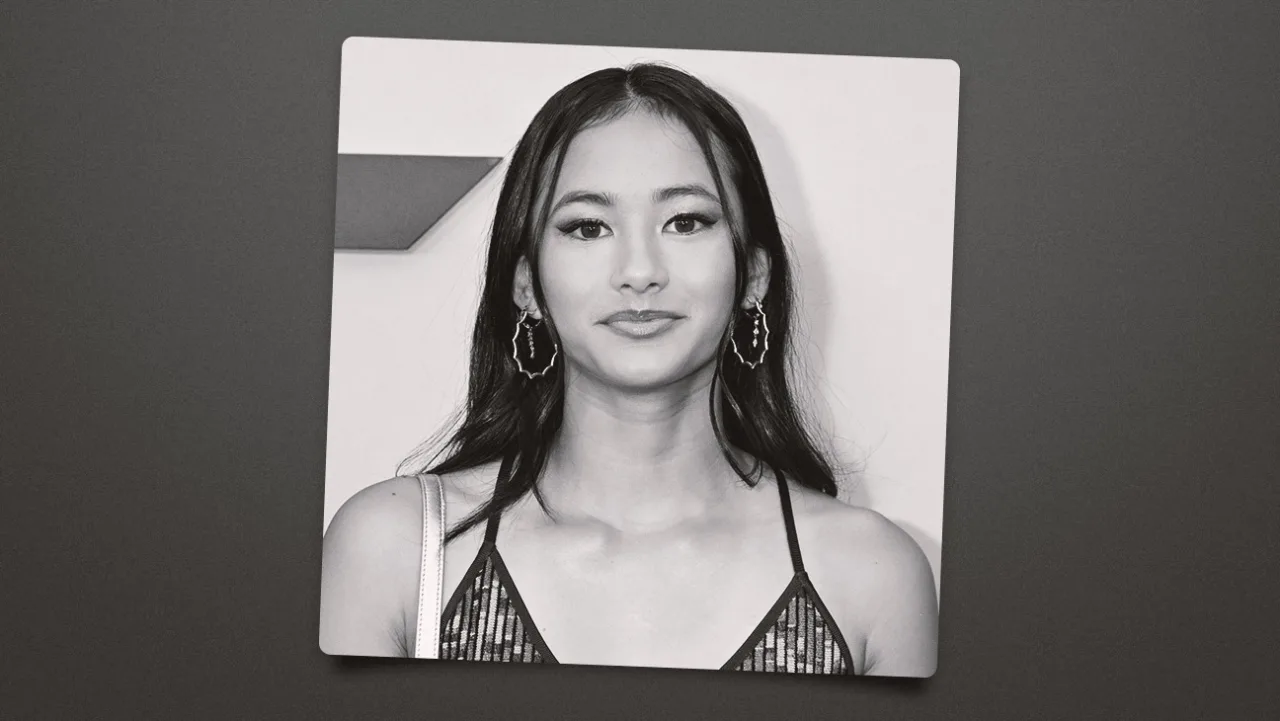
Kaylee Hottle, a deaf actor best known for her starring role in two “Godzilla” films, died in a car crash in Maryland early Tuesday morning, the Frederick County Sheriff’s Office said. She was 18.
Hottle was one of two passengers in the car when it went off the road and hit a culvert in Ijamsville before 3 a.m. The driver was taken to a local hospital with non-life-threatening injuries, and the other passenger declined medical treatment, according to a news release from the sheriff’s office. Excessive speed is believed to be a factor in the crash, which is under investigation, the sheriff’s office said.
Hottle’s heart stopped before she arrived at a hospital, transported by air from the scene of the accident, her father said. “Very grateful for the 18 years we had together — and wish we had more,” he said. Joshua Hottle also reached out to the driver, described by the sheriff’s office as a 19-year-old Frederick man. “I have forgiven you,” her father said. “Don’t let this incident ruin the rest of your life.”
Hottle was a native signer of American Sign Language, and her family members are also deaf. Her parents, Joshua and Ketsi Hottle, shared emotional video statements about her death on social media sites. “Kaylee’s mom and four siblings are crushed,” her father said in ASL in a post from an airport. “They are together at home, grieving. I am on my way to Maryland to bring Kaylee’s body back home.”
In “Godzilla vs. Kong” and the sequel, “Godzilla x Kong: The New Empire,” Hottle played an orphaned girl named Jia who sees beyond Kong’s threatening appearance and forms a special bond with the monster, communicating with him using sign language. “I’m so devastated to hear this. You will be deeply missed Kaylee,” her “Godzilla” co-star Millie Bobby Brown posted on Instagram.
Co-star Alexander Skarsgård, who learned ASL to communicate with Hottle, told the pop culture website Junkee in 2021 that he and others were impressed by the young ingenue’s professionalism and her ability to quickly incorporate the director’s notes into her acting. In a 2024 interview with The Associated Press, Hottle said through an interpreter that she hadn’t watched monster movies before she was cast in “Godzilla,” so her father helped her understand the genre. “I look up to a lot of people, but the one person I look up to, the few people I look up to mostly, are my parents and my sisters,” Hottle said.
Other prominent deaf actors also shared messages of grief online. “I am absolutely gutted about the passing of sweet Kaylee Hottle. May her beauty and talent be a memory for eternity,” Oscar winner Marlee Matlin wrote on Instagram. Fellow Oscar winner Troy Kotsur, who starred in the film “Coda,” wrote that Hottle’s death made him think of his own daughter, and reminded him not to take time for granted. “I have no words to express on what happened this morning,” Kotsur wrote, offering his “deepest condolences” to the Hottle family.
Officials with Texas School for the Deaf in Austin also announced Hottle’s death on Facebook, writing that counseling and support services would be available to her classmates and friends. “Please keep Kaylee’s loved ones in your thoughts as we mourn this tremendous loss together,” the school wrote.
Hottle was born into a multi-generational Deaf family, with four generations of Deaf relatives on her father’s side. She attended the Texas School for the Deaf, where she was a track-and-field athlete. Her career began at age 9 with a 2017 commercial for the video relay service app Convo, which led to her breakout role in “Godzilla vs. Kong.” Her portrayal of Jia, a character deeply connected to the film’s mythos, earned her a Saturn Award nomination for Best Younger Performer in a Film.
Friends and colleagues remembered Hottle’s impact beyond her film roles. Fellow Deaf actor Alaqua Cox, her co-star in the film “What Doesn’t Kill Us,” wrote on Instagram, “I’m so heartbroken. My heart goes out to her family during this unimaginable time.” Hottle’s work resonated with fans and advocates, with the Ruderman Family Foundation praising the “Godzilla vs. Kong” franchise for its commitment to disability inclusion. “Representation means to me, it shows where I come from and who I represent,” Hottle once said, reflecting her pride in portraying Deaf culture and her Asian American heritage.
The crash remains under investigation, with authorities asking anyone with information to contact the Frederick County Sheriff’s Office. Hottle’s legacy continues to inspire discussions about inclusivity in entertainment, as her untimely death underscores the fragility of life and the enduring impact of a young artist whose career was just beginning.
Dateline Wire is dedicated to independent, evidence-backed reporting. This briefing was synthesized from primary source reporting, corroborated across independent newsrooms, and verified against our Editorial Standards.